Captive Owner Portal: see all data about your captives
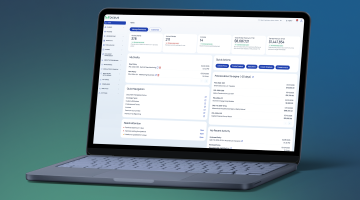
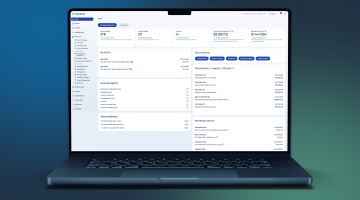
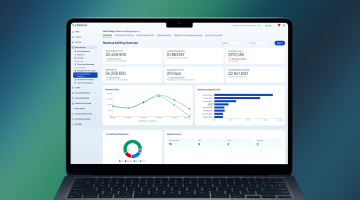
Captive Owner Portal, developed by DICEUS, is a software product that provides captive owners with a helicopter view of their insurance operations in one place. It includes useful modules and features for tracking premiums, policies, claims, exposure, and reinsurance.
Book a demo
An owner’s view, not the manager’s system
A captive manager runs the captive, issues the policies, handles the claims, administers the funds, files with the domicile. That work happens in a captive management platform. This is not that. Captive Owner Portal is the read side – what the owner can see, ask about, and act on, without waiting for the next reporting cycle.
It matters because the two are easy to confuse. If you own a captive and want to see it, this is the product. If you administer captives for clients, Captive Management Platform is what you run them in, and this is what you can give your owners on top of it.
Who the portal is built for
- Owners of a single captive
- Owners of several captives
- Corporate groups with a captive
- Parent companies of a cell
- Group captive participants
- Captive managers serving owners
- Boards and audit committees
4 reasons captive owners choose the portal
Designed around how you actually work – not how your captive manager’s system was built.
-

Everything you own, visible in one place
If you manage more than one captive, you know the pain of piecing together a complete picture from scattered reports, spreadsheets, and manager updates. The portal solves this by consolidating your entire portfolio into a single view, comparing performance across captives, tracking cross-captive risk exposure, and flagging issues before they escalate. You stop chasing information and start actually using it.
-

Real-time visibility into your financial health
Capital adequacy, solvency ratios, invoices, outstanding payments, dividends – these are the numbers that keep you up at night when you can’t see them clearly. The portal surfaces it all in real time, including capital stress testing, so you can model what happens if something goes wrong. You no longer have to rely on quarterly reports from your captive manager to know where you stand.
-

Claims and risk exposure
By the time a problem claim appears in a standard report, it’s often already a headache. The portal gives you early warning indicators on significant claims activity, advanced loss analytics, and risk concentration analysis, so you can spot dangerous patterns while there’s still time to respond.
-

AI insights that make a difference
The portal AI layer analyzes your portfolio’s performance, claims patterns, underwriting results, and capital position, and surfaces the insights that matter. It can even recommend how to optimize capital utilization. For captive owners who don’t live inside numbers every day, this is the difference between owning a captive and truly understanding it.
Key modules and features
 Multi-captive portfolio view
Owning multiple captives and seeing them all in one place is a core pain point of any captive owner. This module solves the challenge by consolidating portfolio performance across all the captives you have.
Compare performance side by side across every captive you own.
See where risk is concentrated across captives, not only within one.
Drill from the portfolio into a single captive without changing screens.

 Insurance operations
This is the most feature-rich module of DICEUS Captive Owner Portal, providing functionalities that support the full insurance lifecycle.
Policy portfolio management
View and manage all captive-issued policies from a single central page.
Submit policy change requests directly through the portal without leaving the workflow.
Get analytical insights into portfolio structure to support smarter underwriting decisions.

Premium and underwriting performance
Monitor underwriting performance, premium growth, and profitability indicators at a glance.
See predictive views of premium growth and underwriting trends to plan ahead.
Evaluate the profitability of your underwriting portfolio and identify areas for improvement.
Claims overview and loss analytics
Get a consolidated view of all claims activity, loss trends, and portfolio performance in one place.
Dig into advanced loss analytics across the captive portfolio to understand true risk exposure.
Receive early warning indicators for significant claims activity before it becomes a problem.

Reinsurance
See the full reinsurance structure, treaties, ceded premiums, and recoveries at a high level.
Analyze how effectively your reinsurance program is being used across the portfolio.
Track all recoveries received from reinsurers in real time.
Exposure and risk reporting
View insured exposures across assets, payroll, revenue, and geographic distribution in one view.
Visualize how exposure is distributed across regions and countries with interactive maps.
Identify dangerous risk concentration areas within the portfolio before they escalate.
 Financial management
Financial statements and captive performance
See profitability, capital performance, income statement, and balance sheet indicators in one overview.
Monitor capital adequacy and the financial stability of the captive.
Read analytical insight into financial performance rather than a static statement.

Invoices and payments
See every invoice tied to captive operations: management fees, reinsurance premiums, brokerage, and service charges.
Have invoices that need attention surfaced rather than found.
Track payment behavior and invoice trends over time.
Capital and solvency monitoring
See capital adequacy, solvency ratios, and regulatory capital compliance in real time.
Track capital contributions and dividend distributions.
Model the effect of an adverse event on the capital position.
 Risk and compliance
Regulatory and compliance tracking
See regulatory obligations, compliance status, upcoming filings, and risk indicators in real time.
Keep deadlines and upcoming compliance events on one calendar.
Get alerted to a deadline or a compliance issue before it is late.

Requests and change initiation
Submit and track requests on policies, capital, claims, and exposures from one place.
Open a request and follow its status and communication thread without email.
See how requests are trending and how quickly they are being handled.

 Intelligence
AI insights
Surface what portfolio performance, claims patterns, underwriting results, and capital position suggest.
Flag the movements worth a second look rather than reporting every movement.
Written for an owner who does not spend the week inside the numbers.

AI API and data access
Feed captive data into your own analytics or BI platform through a governed API.
Keep one source for the figures your finance team already models elsewhere.
 Workspace
Document and compliance library
Keep legal, regulatory, financial, and governance documents in one place with version history.

Messaging with your captive manager
Ask the question against the record it is about, rather than in a separate email thread.

Notifications and alerts
Choose what you want to be told about, and where it reaches you.
One question, followed through
“Our loss ratio moved this quarter. Why?” Here is that question, from the portal, without a call to anyone.
-
01
Start at the portfolio
The portfolio view shows the movement and which captive it came from. If you own several, you can see at once whether this is one captive or all of them, which is a different conversation.
-
02
Open the captive
Claims overview shows loss trends for that captive and flags the claims driving the change. Early warning indicators mark the significant activity rather than leaving you to find it.
-
03
Check the exposure
Exposure reporting shows where that risk sits across assets, payroll, revenue, and geography, and whether the concentration behind the movement was already building.
-
04
Ask, on the record
If the answer needs your manager, the request goes against the captive and the claim it is about, with its own status and thread. The next quarterly pack is not the first time anyone discusses it.
Does this cut your captive manager out?
No, and a portal that did would be worse for everyone. Your manager runs the captive, and the work that keeps it running – binding policies, handling claims, administering funds, filing with the domicile – stays with them and the platform they use.
What changes is where the conversation starts. Instead of an email question and a three-day answer, the request sits against the policy, claim, or captive it concerns, with a status and a thread. Managers tend to like this more than owners expect because it replaces the ad hoc call.
Where the numbers come from
The portal does not ask anyone to re-enter anything. Where your captive runs on DICEUS Captive Management Platform, it reads that system directly, so what you see is the same record your manager works in rather than a copy of it. Where your captive runs on something else, the portal connects to it instead.
That is the practical question behind “is this real time”. It is, because there is no second set of books to reconcile and nothing is keyed in twice.
See your own captives in the portal, with your own structure and numbers
Book a demoFrequently asked questions
What is the difference between a captive owner portal and captive management software?
Captive management software is what a manager runs the captive in: policies, claims, funds, filings. An owner portal is the read side of the same captive, built for the person who owns it rather than the person who administers it. The two are complementary, not alternatives.
Do we need this if our captive manager already sends reports?
That depends on how often you need to know something between reports. The portal is for owners who want the position now rather than at the next cycle, and for anyone holding more than one captive, where a consolidated view does not exist in any report.
Can we see several captives in one place?
Yes. The portfolio view consolidates performance across every captive you own, compares them side by side, and shows risk concentration across the portfolio rather than inside a single entity.
Who inside our organization would use it?
Typically whoever is answerable for the captive at board level, plus the finance or risk person who prepares what the board sees. Access is role based, so a treasurer and an audit committee member need not see the same screens.
Does it replace our captive manager?
No. The manager keeps running the captive. The portal changes where questions are asked and how quickly they are answered, not who does the work.
Can the data go into our own reporting?
Yes. A governed API makes captive data available to your own analytics or business intelligence platform, so your finance team can model it alongside everything else they already model.
How long does implementation take?
Implementation of a DICEUS insurance software product runs from four weeks to six or nine months, depending on the number of functionalities. The exact timeline is agreed upfront, during scoping, once the module set and any connection to your existing systems are known.
Can we run it on our own infrastructure?
The platform is deployed on-premises, in the cloud, or as a hybrid of the two. The model is agreed during scoping and depends on your infrastructure, data residency, and IT requirements. Functionality and configuration options are the same whichever you choose.